Faculty of Medicine Sabaragamuwa University of Sri Lanka Strengthening Medical Innovation with the Industry Partners
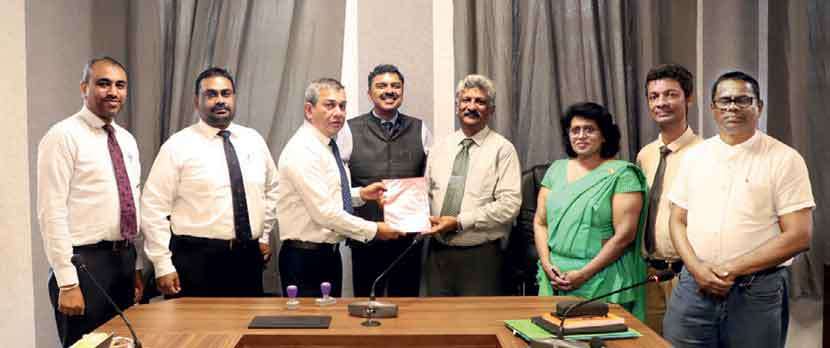
The Faculty of Medicine of Sabaragamuwa University of Sri Lanka begins its innovation journey, by signing two strategically important universityindustry collaborative research agreements, highlighting its potentials to contribute to medical innovations in the country. These two landmark agreements were ceremonially signed on 22nd of May with two reputed companies in Sri Lanka. These two companies, Beam Hela Osu Lanka (Pvt) Ltd and George Steuart Health (Pvt) Ltd, well reputed in the Inland for university-industry collaborative research. The agreements paved the way in creating a platform for long-term collaboration in research, innovation, product development, clinical translation, and commercialization.
These partnerships explicitly recognize need of university-industry collaboration in creating synergy in the innovation ecosystem to develop market sensitive products with high commercialisation potentials. Established in August 2018 as Sri Lanka’s 10th medical faculty, the Faculty of Medicine, SUSL, has rapidly developed a strong culture of research, innovation, and interdisciplinary collaboration. Within less than a decade of its inception, the Faculty has emerged as a dynamic center for addressing national healthcare challenges through scientific inquiry and innovation. The signing of its first industryacademia Memoranda of Understanding (MoUs) represents a major milestone in this journey, highlighting the Faculty’s commitment to ensuring that research outcomes move beyond the laboratory and are translated into tangible healthcare solutions with societal and economic impact.
Moreover, the translation of fundamental scientific discoveries into products and viable technologies that benefit society remains one of the most important challenges faced by the universities and research institutions today. While universities play a pivotal role in generating new knowledge and innovations, successful commercialisation often requires strong partnerships with industry, which brings expertise in product development, regulatory pathways, manufacturing, market access, and large-scale implementation. Recognizing the importance of this research-to-market ecosystem, the Faculty of Medicine of Sabaragamuwa University of Sri Lanka (SUSL) has taken a significant step forward through the establishment of its first-ever industry collaborations.
Applying Traditional Knowledge for Medical Innovation
The collaborations will support two innovative projects addressing important national healthcare priorities. The first project focuses on the development of a novel hydrogel wound dressing incorporating selected Sri Lankan medicinal plant extracts with scientifically validated wound-healing properties. By combining traditional medicinal knowledge with modern biomaterial science, the project aims to create a value-added healthcare product with significant clinical and commercial potential. A particularly important aspect of this project is the partnership with Beam Hela Osu Lanka (Pvt) Ltd, a company that has established itself as a leading Sri Lankan enterprise dedicated to the development, manufacture, and commercialisation of products based on traditional and Ayurvedic medicinal knowledge. With extensive expertise in translating indigenous medicinal heritage into scientifically developed, market-ready products, the company possesses strong capabilities in product formulation, quality assurance, regulatory compliance, manufacturing, branding, and commercialization. Its experience in integrating traditional medicinal wisdom with modern scientific approaches makes Beam Hela Osu Lanka an ideal partner for advancing university-based discoveries into products that can reach patients and consumers. Such collaborations also create opportunities to add value to Sri Lanka’s rich biodiversity and traditional medical knowledge while ensuring that innovations are developed according to internationally accepted scientific and quality standards.
This project is led by Dr. Vindya Perera, as the Principal Investigator, whose research on the development of novel wound-healing biomaterials has also received competitive funding from the National Science Foundation (NSF) of Sri Lanka. The project not only advances innovative healthcare solutions with commercial potential but also supports academic capacity building by awarding a Master of Philosophy (MPhil) degree through this research.
Cost Effective Antivenom for Snakebite
The second project focuses on the development of a Sri Lanka-specific antivenom for the treatment of snakebite envenoming, a neglected tropical disease that continues to impose a significant public health burden across the country. Currently, Sri Lanka does not have a locally developed antivenom for its native venomous snake species, and healthcare facilities rely primarily on Indian polyvalent antivenom for treatment. However, differences in venom composition between Indian and Sri Lankan snake populations may affect treatment efficacy and contribute to adverse reactions. The project aims to develop the first Sri Lanka-specific antivenom targeting envenoming caused by the country’s medically important venomous snakes, namely the cobra, Russell’s viper, saw-scaled viper, common krait, and hump-nosed viper. By providing a treatment tailored to the unique venom profiles of Sri Lankan snakes, the project seeks to improve patient outcomes and strengthen national capacity for healthcare innovation.
This project is led by Prof. R.M.M.K. Namal Rathnayake as the Principal Investigator, whose extensive clinical and research expertise in snakebite envenoming and toxicology has contributed significantly to advancing snakebite management in Sri Lanka.Together, these initiatives demonstrate how locally driven research can generate solutions tailored to national needs while creating opportunities for innovation-led economic development.
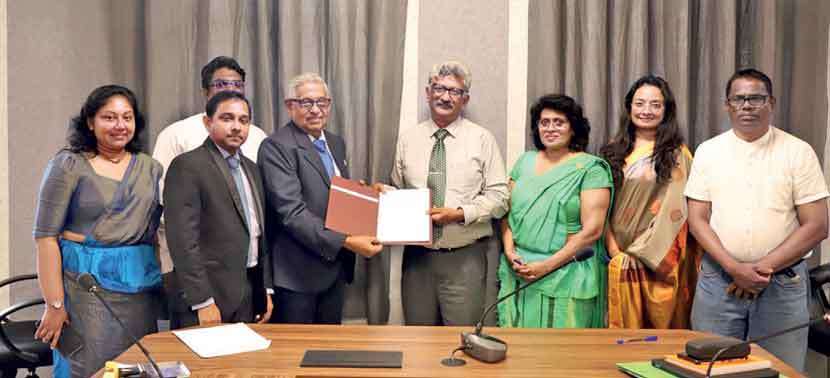
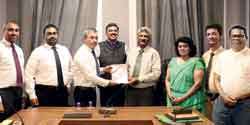
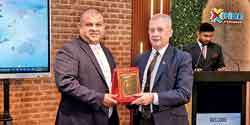
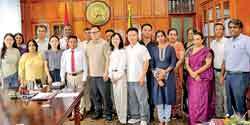
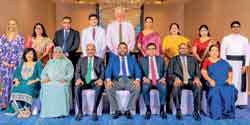
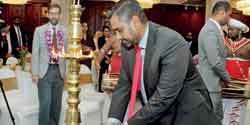
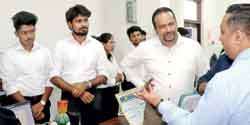
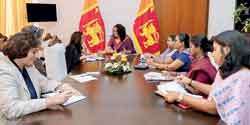
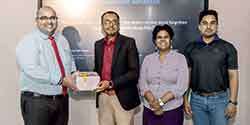
The MoUs were formally signed by the A c t i n g Vi c e C h a n c e l l o r o f t h e Sabaragamuwa University of Sri Lanka, Prof. Samuel A. Ariyadorai; the Dean of the Faculty of Medicine, Prof. M. Nirmali Wickramaratne; the Director of the Knowledge and Technology Transfer Office (KTTO); Prof. D. A. I. Dayaratne. Representing the industry partners were Dr. R. A. B. R. Piyarathna, Chairman of Beam Hela Osu Lanka (Pvt) Ltd, together with members of the company’s executive leadership team, and the Executive Director of George Steuart Health (Pvt) Ltd along with its leadership team. All speakers at the event highlighted the value of the university-industry collaboration in contributing for the development pathway of the country.
Vision in Reality
Beyond the immediate outcomes of the two projects, these agreements signify a broader strategic vision for the Faculty of Medicine, SUSL. They reflect an understanding that the true value of research lies not only in scientific publications but also in its capacity to improve health outcomes, stimulate innovation, strengthen industry partnerships, and contribute to national development. By fostering a culture of research translation and commercialization, the Faculty is positioning itself as an emerging hub for healthcare innovation in Sri Lanka.
In conclusion, the signing of these first industry MoUs therefore represents a defining moment in the faculty’s evolution. It demonstrates how a young medical faculty can rapidly establish itself as a catalyst for innovation by bringing together academic excellence, industry expertise, and a shared commitment to addressing national healthcare priorities. Through these partnerships, the Faculty of Medicine, SUSL, is taking an important step toward transforming scientific discoveries into real-world solutions that benefit patients, communities, and the nation as a whole.














.jpg)
.jpg)
.jpg)
.jpg)
.jpg)
