Marketing to GenZ: The New Rules of Modern Marketing
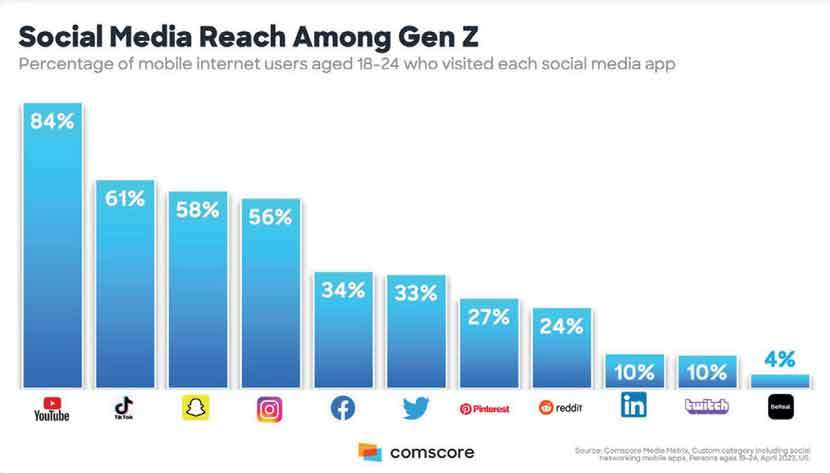
Generation Z has become one of the most influential consumer groups in the modern economy. Born into a world dominated by smartphones, social media, streaming platforms and digital connectivity, Gen Z has fundamentally changed how brands communicate, advertise and build relationships with consumers. Unlike previous generations, Gen Z does not simply consume advertising; it evaluates, questions and filters it constantly. Traditional advertising relied heavily on interruption. Television commercials, celebrity endorsements and polished corporate campaigns once shaped consumer behaviour.
However, Generation Z grew up surrounded by advertising and has developed a strong ability to identify exaggerated claims, forced branding and inauthentic messaging. Visibility alone is no longer enough. Brands must now earn trust. Research consistently shows that Gen Z values authenticity, emotional relevance and transparency more than polished advertising. This generation prefers brands that feel human rather than corporate. As a result, raw videos, creatorled storytelling and user generated content often outperform expensive traditional campaigns because they appear more believable and relatable.
 Social media platforms such as TikTok, Instagram and YouTube Shorts have transformed the marketing landscape. Short form video content now dominates Gen Z attention. However, the shift is not only about shorter videos. It is about creating emotionally engaging and culturally relevant content within seconds. Gen Z consumers quickly scroll past content that feels artificial or uninteresting, but they engage deeply with stories that entertain, educate or emotionally connect with them. One of the biggest changes in modern marketing is the transition from audiencebuilding to communitybuilding. Gen Z expects participation rather than oneway communication.
They prefer brands that respond to comments, share customer stories, involve creators and encourage interaction. Community has become more powerful than traditional advertising because it creates belonging and emotional loyalty. Influencer marketing has also changed significantly. Previous generations were strongly influenced by celebrities and aspirational figures. Generation Z increasingly trusts micro-influencers and creators who feel relatable and credible. A creator with a smaller but highly engaged audience may generate more meaningful influence than a celebrity with millions of passive followers.
Modern influence is now driven more by trust than by fame. At the same time, Gen Z consumers are highly conscious of sustainability, ethics, inclusivity and social responsibility. However, they strongly reject performative activism. Brands that communicate social values without genuine action risk damaging their credibility. For Gen Z, values must be demonstrated through real behavior rather than promotional slogans. The Do’s of marketing to Gen Z are increasingly clear. Brands should communicate authentically, create mobilefirst short-form content, build communities, collaborate with credible creators and prove their values through action.
Consumers respond positively to brands that feel transparent, responsive and emotionally honest. Equally important are the Don’ts. Brands should avoid forced youth slang, excessive corporate polish, aggressive hard-selling and fake social purpose campaigns. Gen Z quickly recognises when brands attempt to imitate youth culture without understanding it. They also reject one-way communication and expect brands to listen and respond actively. If these lessons are simplified into practical strategy, five important rules emerge for marketers targeting Generation Z. The first rule to prioritise authenticity before attractiveness.
Gen Z wants to know whether a brand’s message genuinely reflects its behavior. The second rule is to capture attention quickly while still delivering meaningful value. Shortform media has created a fast-moving attention economy where the opening seconds are critical. The third rule is to build communities instead of temporary campaigns. Longterm engagement and participation create stronger loyalty than one-time advertisements. The fourth rule is to demonstrate values through measurable action rather than symbolic communication. Finally, brands must entertain, educate or empower audiences before attempting to sell products. These trends are highly relevant for Sri Lankan businesses as well.
Young Sri Lankan consumers are deeply connected to mobile-first behavior, creator culture and social media ecosystems. Yet many organisations still rely heavily on traditional advertising methods and corporate communication styles. The brands most likely to succeed in the future will be those capable of creating authentic storytelling, community engagement and culturally relevant digital experiences. Generation Z has not ended marketing; it has transformed it. The future belongs to brands that can communicate honestly, build trust and participate meaningfully in culture and community. In the Gen Z economy, credibility matters more than visibility, and authenticity matters more than perfection.







































.jpg)
.jpg)
.jpg)
.jpg)
.jpg)