Rediscovering the Magic of Books in the Age of Screens
In her 2007 book ‘Proust and the Squid’, Maryanne Wolf writes that “Reading changes our lives, and our lives change our reading.” If that is so, then reading in the digital age has undoubtedly altered our habits in profound ways. Screens have replaced print as the primary form through which many of us engage with the written word day to day. We take reading for granted as a basic human faculty but in fact, humans were not born with a natural capacity for it.
As Ms Wolf notes, reading was invented only a few thousand years ago. With this invention, she says “we rearranged the very organization of our brain, which in turn expanded the ways we were able to think, which altered the intellectual evolution of our species.” That reading is fundamental to our evolution—both as a species and personal—is a fact worth repeating. The advent of screens, short form content and generative AI has understandably fuelled anxiety among parents and educators about what it could mean for children’s reading habits and attention spans.
But we often overlook the extraordinary ways that screens have transformed access and creativity. We are no longer limited to reading what is physically accessible to us—online media, e-books and other content are only a click away, and these forms can be just as magical if we are intentional with how we consume the media available to us. The numbers are hopeful. Research still shows that while digital reading is growing rapidly among younger audiences, print remains the preferred medium for sustained and immersive reading.
A 2026 study found that print remained dominant among Sri Lankan readers (at 78.5%), even as readers aged 19-40 increasingly used e-books and mobile reading platforms. The study notes that convenience, portability, low price and ready availability are the main enablers of digital adoption. Smartphones are emerging as a device of choice for digital consumption while reading, with fiction genres being mass consumed on this platform. There is much to read and enjoy, whether in print or on screen. High literacy levels have long been a point of pride in Sri Lanka, and this is reflected in the quality of writing that continues to emerge from the island.
Just two weeks ago, the Gratiaen Trust announced the winner of the 33rd Gratiaen Prize, Visakesa Chandrasekaram for ‘The Son and the Lover’, mentioning that the decision was made from an exceptional shortlist of writers and works submitted for this year’s award. British Council has long supported the Trust in its mission to uphold the quality and progress of English literature in Sri Lanka. Each year, our library is the venue for the shortlist announcement—as in previous occasions, it was a full house this year with readers of all ages gathered to hear which works made the shortlist. Every year, this event reminds us that reading is a long way from being a lost art.
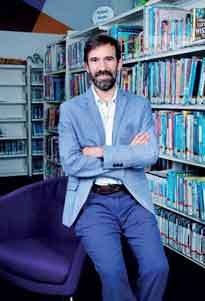
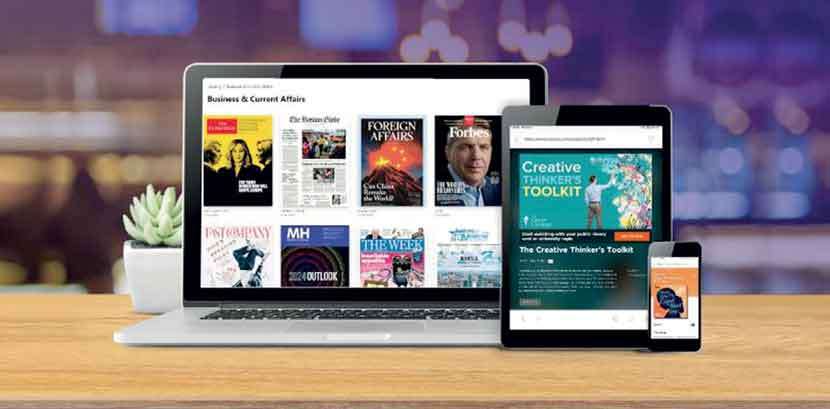
That’s why our library, a beloved institution for readers in Sri Lanka, has kept pace with the times and holds both physical and digital copies of books for our members. Walk in and you will glimpse readers both young and old engrossed in reading: for pleasure, for study, or for work. In addition to holding an impressive physical collection of over 65,000 resources, the library is home to an ever-expanding collection of over 100,000 online resources, including eBooks, e-journals, magazines and newspapers that are available to download.
Former Gratiaen award winner Shehan Karunatilaka (also winner of the prestigious Booker Prize in 2022) shared this to mark the British Council’s global 90th anniversary celebrations: “It was a great thrill to be part of the British Council Reading Marathon this year. The British Council in Colpetty has many memories for me as a young reader and writer. It’s where I discovered crime fiction as a teenager, Booker-wining novels as a writer, and now as a parent, the children’s and young adult fiction. It’s where I had my first encounters with a computer, where I saw Arundati Roy, Benjamin Zephaniah and Fiona Shaw, and where I received the Gratiaen Prize for my first novel, Chinaman.
It’s wonderful to see it thriving in the 21st century as a digital library and I hope it continues to inspire generations of Sri Lankan children.” While print remains a more useful tool for sustained and immersive reading, accessibility also matters. Globally, UNESCO estimates that 739 million adults still lack basic literacy skills, reminding us that reading remains both a privilege and a public good. If digital platforms can help to bridge this gap with more opportunities to access the written word, then we must pay closer attention to building resources that engage readers and stimulate their minds. After all, reading is the path to imagination, and the ability to imagine another person’s life is essential to building a kinder world.
In an essay for Electric Literature, Sri Lankan author Ru Freeman describes a meeting with a young organiser of a local literary festival and reflects on a generation of readers deeply engaged with books. She writes: “They loved literature because they had been taught, as we had been taught, about the significance of the imagination, and of the way our minds expanded through the simple act of inhabiting other people’s reality.” With our attention spans becoming increasingly fragmented this reminder feels especially timely. The formats through which we read may change, but the magic of reading—its power to expand our minds, nurture empathy and the ability to connect us to each other across time and distance—endures. - Orlando Edwards









.jpg)

.jpg)
.jpg)
.jpg)
.jpg)
