Innovation on Display at St. Benedict’s College: Students Bring STEM to Life
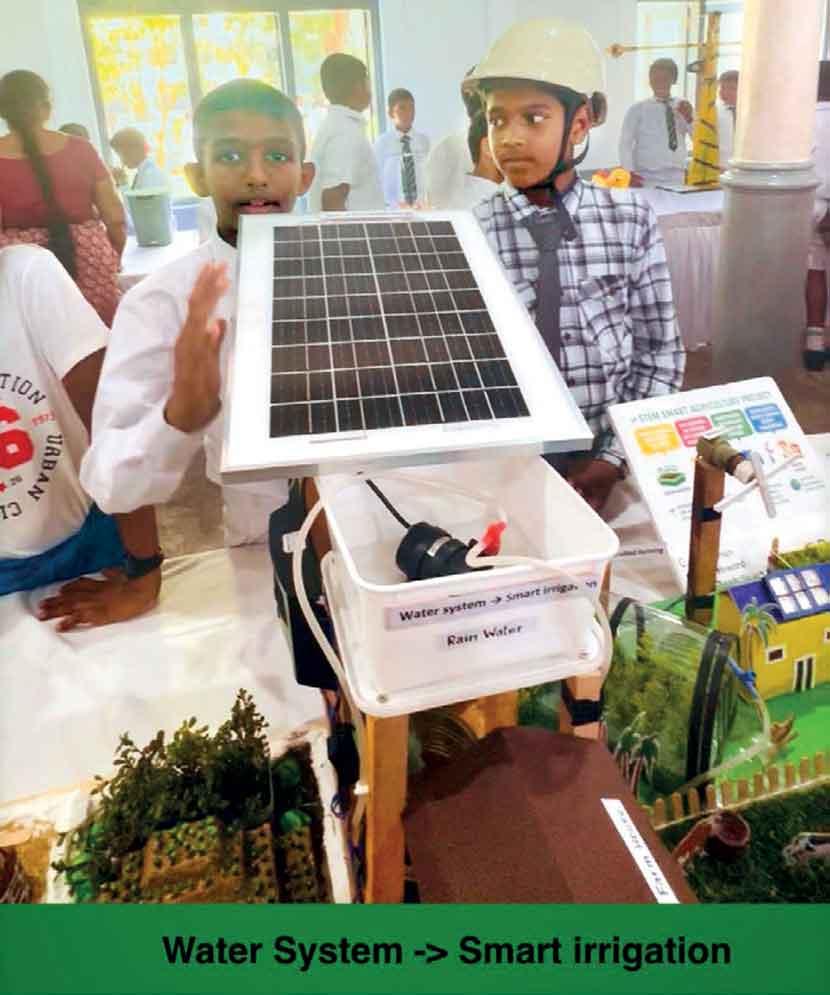
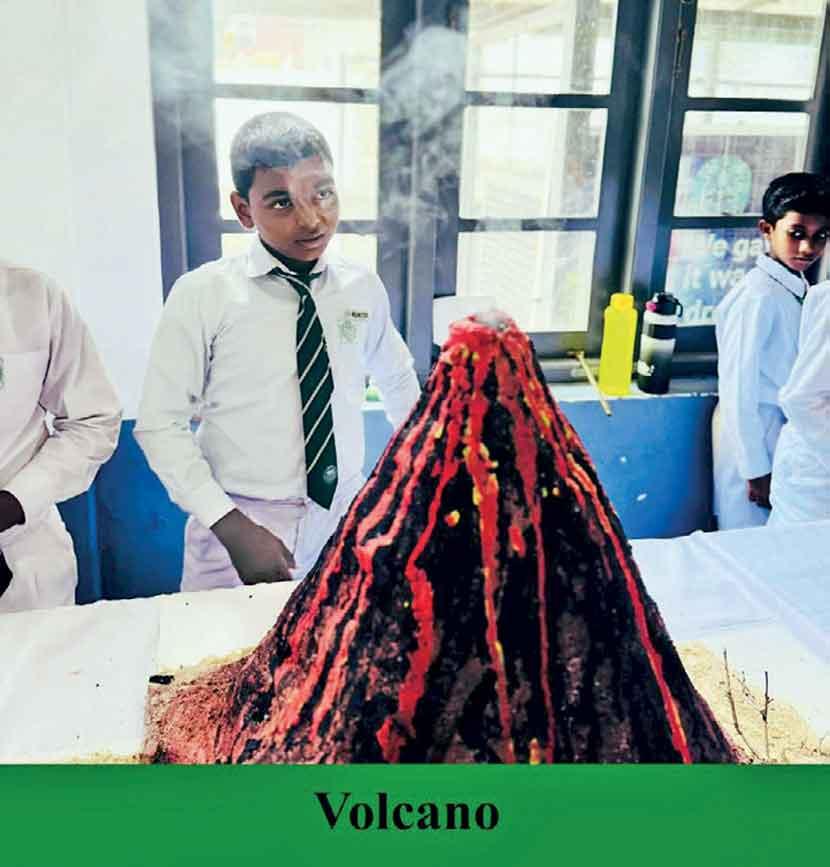
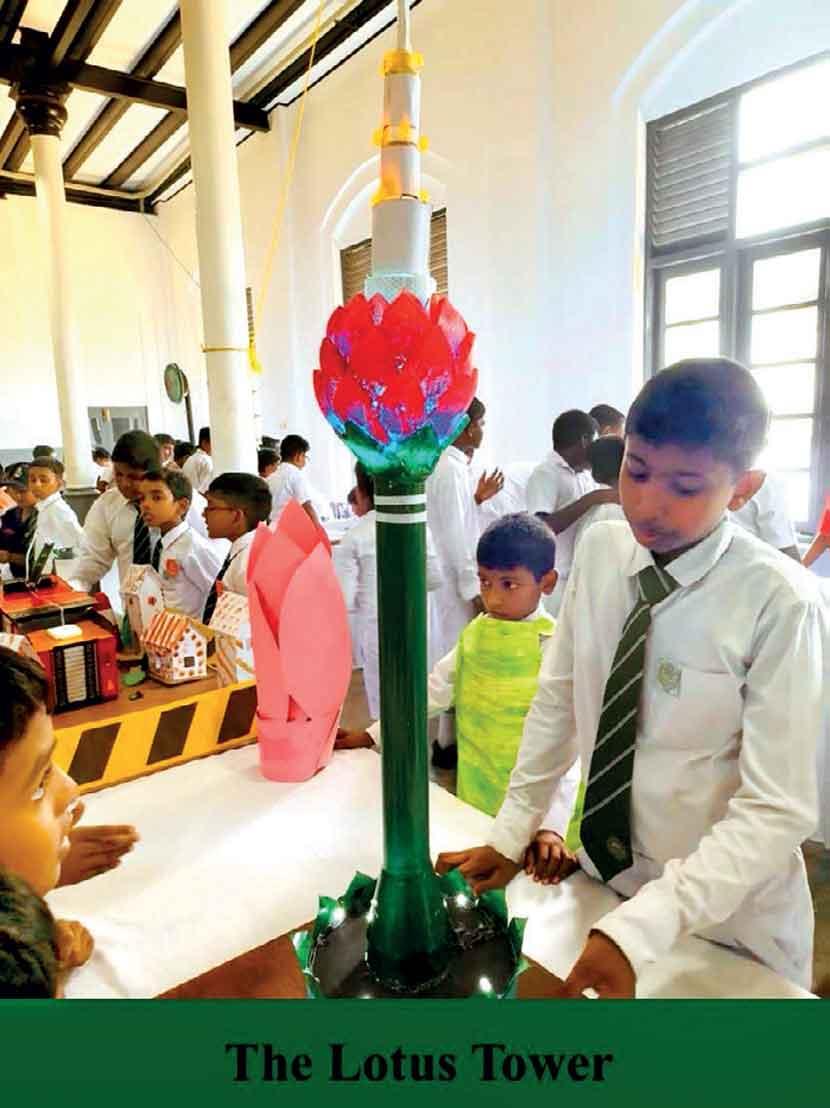
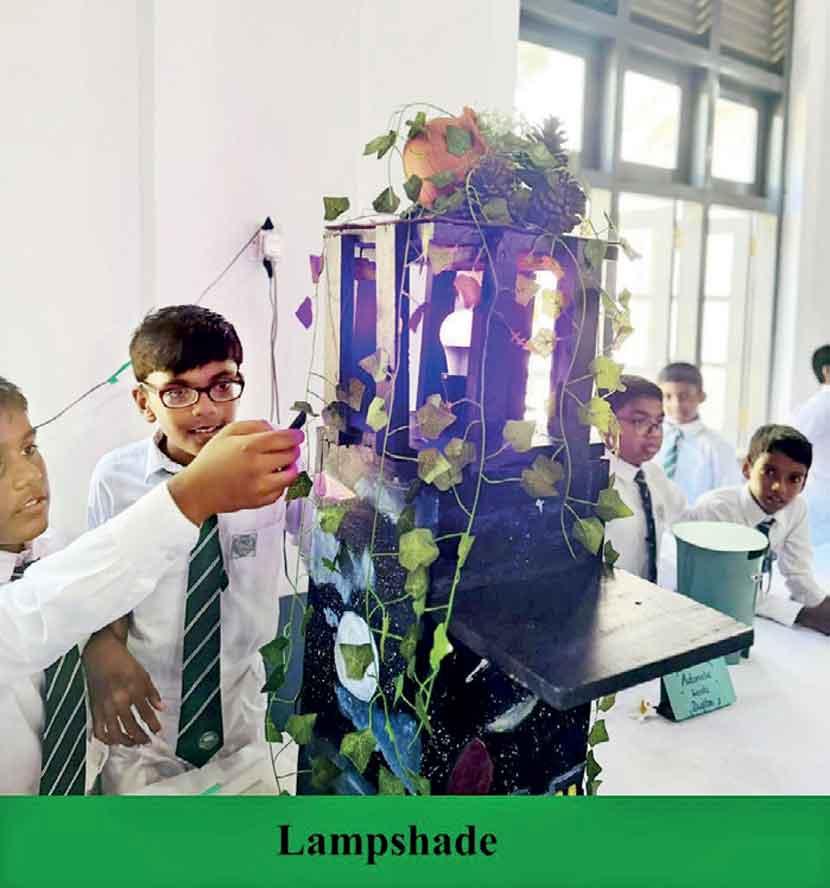
The spirit of innovation and curiosity was alive last week as Grade 6 students at St. Benedict’s College proudly presented their projects at the school’s first-ever STEM exhibition. As part of the college’s initiative to introduce STEM (Science, Technology, Engineering, and Mathematics) into the curriculum, students engaged in robotics, coding, 3D design and printing, and cuttingedge use of information technology. The exhibition was more than just a showcase of projects — it was a celebration of 21st-century learning skills in action.
Students not only demonstrated their technical knowledge but also their creativity, collaboration, and problem-solving abilities. From programmable robots to intricate 3D-printed models, the projects on display were both ambitious and impressive. Many parents and teachers expressed amazement at how advanced the students’ work was, especially considering it was their first year engaging formally with STEM. One of the greatest strengths of such an exhibition lies in the real-world learning opportunities it provides. Students were not only building models but also explaining how they worked — translating complex technical processes into simple, understandable language.
This practice strengthens their communication skills while reinforcing their own learning. In fact, several visitors remarked that the confidence and enthusiasm with which the children explained their projects were just as impressive as the projects themselves. Teachers, who had worked tirelessly to guide and mentor the students, were proud to see their efforts culminate in such a successful event. The exhibition also highlighted the importance of teacher dedication in creating meaningful, student-centred learning experiences. Beyond the excitement of the event itself, the STEM exhibition carries long-term benefits. It nurtures a culture of innovation and experimentation among young learners, preparing them for future academic and career paths in technology and science.
It also provides a platform for students to showcase their talents publicly, helping them develop resilience and confidence. Exhibitions like this encourage teamwork, creativity, and adaptability — essential skills in a fast-changing world. Feedback from the students themselves was overwhelmingly positive. Many described the program as enjoyable, exciting, and inspiring. They particularly enjoyed the hands-on nature of the projects, where they could see their ideas come to life. For many, this was their first experience with robotics, programming, or 3D design, and the exhibition gave them a sense of achievement and pride in their abilities.
Parents and visitors praised the initiative, noting how important it is to expose children to such opportunities early on. By engaging in STEM now, students not only gain technical knowledge but also learn the value of perseverance, creativity, and critical thinking. The exhibition was a resounding success, marking a milestone for the college’s STEM program. It has set a strong foundation for future learning and inspired both students and teachers to continue exploring the limitless possibilities that STEM education offers. As the world moves rapidly into a digital and technology-driven future, initiatives like this ensure that students are well-prepared — not just as learners, but as innovators, problem solvers, and leaders of tomorrow.




































.jpg)
.jpg)
.jpg)
.jpg)
.jpg)
