Illuminating the Pearl: Why Vesak is Sri Lanka’s Ultimate Nation-Branding Asset
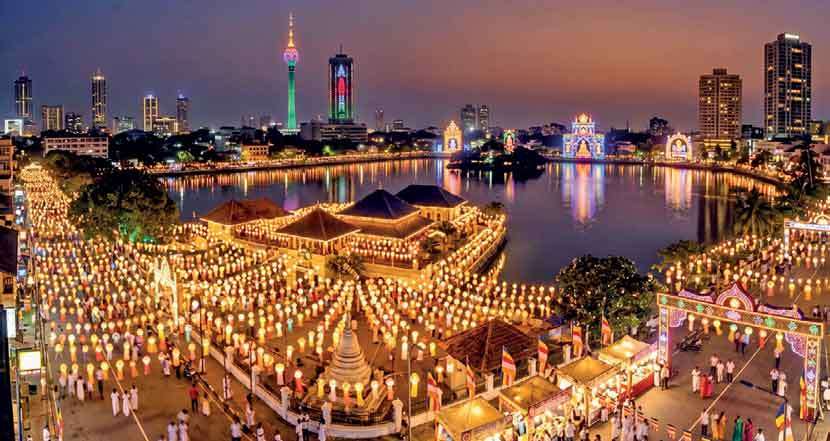
 In the highly competitive world of global tourism and nation-branding, countries often struggle to define what makes them truly unique. Some point to pristine beaches, others to towering skyscrapers or culinary heritage. For Sri Lanka, a tropical island inherently blessed with diverse ecosystems and a rich history, the most powerful branding asset might not be a physical landmark at all. It is a feeling, a collective philosophy, and a breathtaking visual spectacle that occurs every May: the festival of Vesak.
Vesak commemorates the three most significant milestones in the life of Gautama Buddha—his birth, his enlightenment, and his passing into Parinirvana (the final dissolution of the physical body). While celebrated across Asia, Sri Lanka’s unique manifestation of Vesak offers an untapped, world-class opportunity for nation-branding. Here is how this ancient festival can reshape how the global community perceives Sri Lanka.
1. A Visual Identity Unlike Any Other
Successful nation-branding requires an unmistakable visual signature. Japan has its cherry blossoms; India has Holi. Sri Lanka possesses Vesak—a festival that literally transforms the entire island into a living canvas of light.
As dusk falls on the full moon day of May, the country is illuminated by millions of clay oil lamps and Vesak kudu (intricately handcrafted bamboo and paper lanterns). In major cities like Colombo and Kandy, massive pandals (illuminated structures called thoranas) tower over crowds, using thousands of pulsing, synchronised lights to visually narrate ancient folklore and Jataka tales (the previous life stories of the Buddha).
For a global traveller seeking immersive cultural experiences, the sheer visual scale of Vesak is a photographer’s dream and a traveller’s bucketlist phenomenon. Promoting this “Festival of Light and Life” repositions Sri Lanka from just a daytime beach destination to a culturally vibrant, nighttime-friendly escape.
2. The Dansal Tradition: Unmatched Soft Power
Branding isn’t just about what a country looks like; it’s about how its people make her visitors feel. This is where Sri Lanka’s soft power shines through the phenomenon of Dansal (free, community-driven food and refreshment stalls).
During Vesak, neighbourhoods, businesses, and families set up roadside stalls to offer everything from traditional rice and curry to ice cream, coffee, and herbal drinks to passersby—completely free of charge. Rooted in the Buddhist virtue of Dana (supreme generosity and non-attachment), dansal are not acts of patronising charity; they are joyful celebrations of hospitality where a wealthy businessman and a humble labourer stand in the same queue.
3. Aligning with the Global “Conscious Travel” Trend
Modern global travellers are increasingly searching for destinations that prioritise mindfulness, mental well-being, and environmental consciousness. Vesak naturally aligns with these values.
- Mindfulness over Materialism: Alongside the vibrant street festivals, millions of Sri Lankans dress in pristine white attire to visit temples, observing Sil (a day of intensive meditation and moral discipline).
- A Nation at Peace: For two days, the entire country slows down. By government decree, slaughterhouses and liquor stores close, reflecting a collective commitment to non-harming and spiritual cleansing.
- Eco-Friendly Evolution: In recent years, Sri Lankan communities have actively shifted away from plastics and excessive energy use, leaning into biodegradable lantern materials (like jute and twigs) and energy-efficient digital pandals.
By highlighting these aspects, Sri Lanka can brand itself as the ultimate destination for wellness, spiritual rejuvenation, and conscious eco-tourism.
The Blueprint for Global Recognition
To fully leverage Vesak as a nation-branding tool, Sri Lanka must move beyond treating it purely as a domestic holiday. The festival needs to be curated for the global stage with structural support:
- Dedicated “Vesak Travel Corridors”: Creating specific, pedestrian-friendly walking zones in Colombo (such as near the Gangaramaya Temple and Beira Lake) with multi-language signage translating the stories behind the pandals.
- Interactive Cultural Hubs: Allowing tourists to participate in the making of traditional bamboo lanterns, offering them a literal hand in illuminating the country.
- Targeted Digital Marketing: Launching global campaigns months in advance, utilising high-definition visuals of the festival’s unique nighttime aesthetic to capture the imagination of travellers.
The Takeaway: Vesak is more than a religious holiday; it is the visual and emotional distillation of Sri Lanka’s soul. By accurately projecting its message of light, compassion, and shared humanity to the world, Sri Lanka can build an authentic, indelible global brand that resonates far beyond its borders.















.jpg)
.jpg)
.jpg)
.jpg)
.jpg)
