The Role of Mind, Body and Spiritual Wellness in Transforming Education
Today, wellness has become a necessity for both personal and professional success. The concept of wellness is a combination of physical health, mental well-being, and spiritual wellbeing. The integration of mind, body, and spirit influences an individual’s productivity, relationships, ethical behaviour, and overall quality of life. In higher education, particularly in the field of business studies, there is an increasing need to integrate wellness into academic systems to prepare students not only as skilled professionals but also as balanced, resilient, and ethical future leaders. In a VUCA world where the business environments today are highly volatile, uncertain, complex and in ambiguity, employees and leaders are expected to adapt to these challenges continuously.
 |
| By: Dr Sharmini Perera Dean – Faculty of Business Studies Lyceum Campus |
This demands that future business professionals require more than academic knowledge; they require complete wellness and emotional strength to succeed. Mental wellness refers to the ability to manage stress, maintain healthy relationships, think critically, and handle challenges more mindfully. In higher education, students often experience pressure from academic deadlines, examinations, competition, and career expectations. Without proper mental well-being, stress and anxiety can negatively affect academic performance and personal development. The importance of mental wellness is continuously addressed by the International Labour Organization (ILO), which reports that depression and anxiety contribute to the loss of approximately 12 billion working days annually worldwide.
The ILO also highlights workplace stress, extreme workloads, weak organisational culture, and lack of work-life balance as key causes of mental health issues and burnout amongst employees. These realities indicate that higher education institutions must prepare future business leaders to understand and manage both their own well-being and that of their team members. Physical wellness is another important component of development. Physical health directly affects focus, energy levels, productivity, and emotional stability. Students who maintain healthy lifestyles through exercise, balanced nutrition, and proper sleep are often more focused, motivated, and capable of managing academic stress. Research consistently shows that physical wellness contributes positively to cognitive performance and emotional resilience. Physical and mental wellness is highly corelated.
While poor physical health can increase stress and fatigue, mental stress can contribute to headaches, sleep disorders, and weakened immunity. The ILO reports that poor mental health can also increase workplace accidents, absenteeism, and overall result in reduced productivity. Therefore, encouraging physical wellness in higher education is not merely about fitness or a trend in fitness; it is also about creating healthier and more effective future professionals and entrepreneurs. Spiritual wellness is similarly vital as it does not necessarily refer to religion alone, but rather to having a sense of purpose, values, ethics, inner peace, and connection to society. It helps individuals develop integrity, compassion, empathy, and social responsibility. Especially in business education, spiritual wellness can play a vital role in the development of ethical leaders who make decisions based not only on profit but also on fairness, sustainability, and social impact.
In recent decades, the business world has repeatedly reported numerous corporate scandals, unethical practices, and leadership failures. These incidents can be seen as the outcomes of neglecting ethical and values-based leadership. The World Economic Forum emphasizes that future workplaces increasingly require human-centered leadership with qualities such as empathy, collaboration, and ethical reasoning where these qualities cannot easily be replaced by artificial intelligence. The connection between mind, body, and spirit creates a complete model of wellness. When these dimensions are balanced, it develops individuals who are more productive, emotionally stable, ethically responsible. Business higher education institutions have a great responsibility and a role to play in incorporating wellness into their academic and institutional culture. Universities can include subjects related to emotional intelligence, stress management, mindfulness, ethical leadership, work-life balance, and organizational well-being within business management programmes. Mindfulness and mental health support systems can also be introduced through counselling services, centers for coaching and mentoring, wellness workshops, and continuous awareness campaigns.
Encouraging open discussions about stress and mental wellbeing while creating supportive learning environments are indeed value additions to student development. Students who develop emotional resilience during their education may become effective professionals and leaders in the workplace. At the same time, physical wellness can be boosted through sports activities, fitness programmes, yoga sessions, recreational events, and healthy campus environments. Educational institutions can encourage students to maintain healthy lifestyles by providing access to fitness facilities and promoting awareness about nutrition and self-care. Such initiatives may positively impact on improved focus, reduced stress, and enhanced academic performance.
Last but not least, spiritual wellness can be incorporated through community engagement activities that could be linked with assessments, volunteering opportunities, leadership retreats, and corporate social responsibility projects. Encouraging students to participate in social and environmental initiatives helps them develop empathy, ethical awareness, and a sense of purpose while witnessing the reality of human living. Reflection-based learning activities and discussions with students lead sustainability and ethical projects can also strengthen students’ values and moral thinking. Furthermore, institutions themselves must create wellness focus cultures.
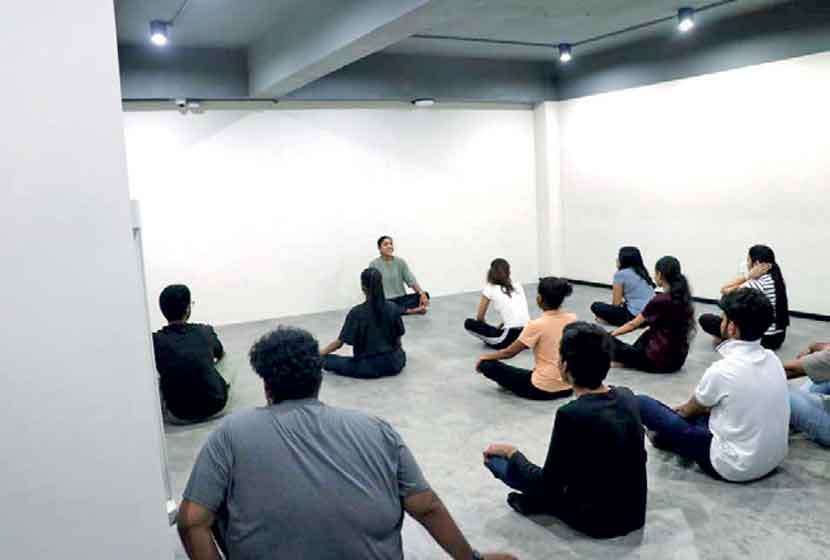
Lecturers and administrators should develop balanced workloads, demonstrate their own wellness lifestyles and walk the talk with respectful communication and inclusivity. Lyceum Campus is equipped with a state-of-the-art gymnasium and actively promotes continuous wellness activities among its students. The Business Faculty consistently delivers workshops on yoga, healthy dietary habits and allocates a dedicated Health Week programme to encourage healthy lifestyles and wellbeing activities. These wellness initiatives are included throughout the delivery of its academic programmes, as a part of the institution’s commitment to developing balanced, healthy, and resilient future professionals.









































.jpg)
.jpg)
.jpg)

.jpg)
.jpg)
