Future Minds: Advancing the science curriculum
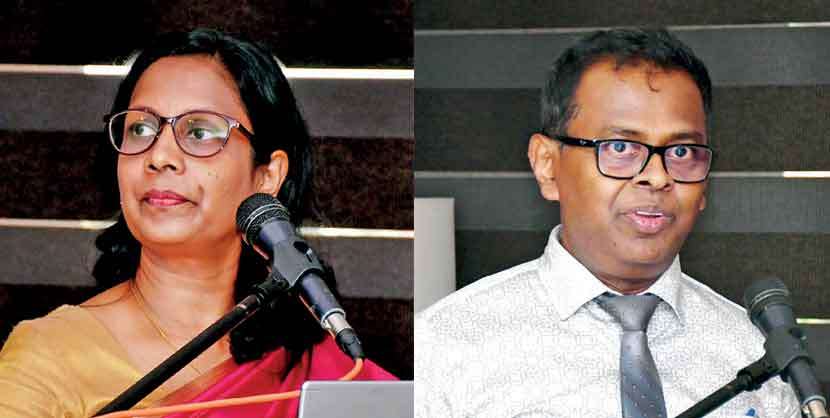
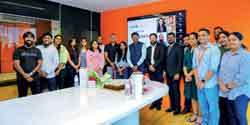
Recognising the importance of aligning the nation’s science curriculum with the country’s economic aspirations and global competitiveness, the Sri Lanka Association for the Advancement of Science (SLAAS) held a high level forum - ‘Future Minds’ bringing together leading personalities from the country’s industrial and education sectors to discuss collaborative strategies for the reform of the science curriculum.
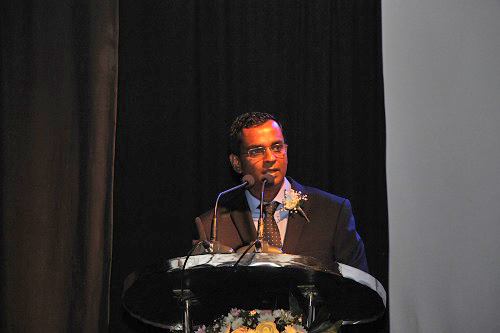
SLAAS founded in 1944 is Sri Lanka’s foremost multidisciplinary scientific body, with over 10,000 members across all branches of science. Speaking at the forum held at the Cinnamon Grand, Professor Udeni Nawagamuwa, General President (2025) SLAAS, Professor and Head, Department of Civil Engineering, University of Moratuwa, said that while conducting research he found that in developed countries there are around 30% professionals in the science and technology sector, in Sri Lanka, it is less than 10%. “There should be a change in mindset, and the country should be guided towards science and technology,” he said.
Empowering people through science and technology is one of the main objectives of SLAAS, said Prof. Nawagamuwa. Professor Aashani Tillekaratne, Chairperson, Science Education Committee (SEC) of SLAAS, and Professor, Department of Chemistry, University of Colombo, said the SEC aims to “get involved in the making of policy decisions and play an advisory role to the education sector”. There are two other important objectives namely, initiating strong partnerships between industry leaders and educating policy makers to co-design a future-ready science curriculum.
Second, aligning science education with national priorities in innovation, entrepreneurship and sustainable economic development. The key outcomes SLAAS aspires to are: actionable recommendations for integrating industry insight into the national science curriculum, a proposal to the Ministry of Education advocating policy level change and resource allocation, a shared understanding of the vital role science education plays in enhancing employment prospects both locally and globally and a commitment to national dialogue culminating in a broader Ministry supported conference with international education experts.
Dr Asoka de Silva, Deputy Director General, National Institute of Education speaking on the curriculum reform initiatives, said they plan on introducing module- based learning; essential learning modules and further learning modules. The essential learning module is required to be studied by every student and the further learning module is for students who are interested in gaining a deeper understanding on science. “There will also be a national assessment to assess student potential,” Dr de Silva said to identify the strengths of each student and develop their potential accordingly.
- Samadhee Wijesekera Pix by – Priyanka Samaraweera












.jpg)
.jpg)

.jpg)
.jpg)
.jpg)
