Leadership with Gen Z: Redefining power, purpose and the future of work
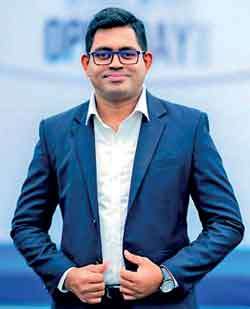 |
| Rajitha Fernando Head of Foundation Studies Department Lyceum Campus |
In every era, leadership reflects its generation. Today, a new force is reshaping how leadership is defined, practiced and experienced — Generation Z. Born into a world of digital acceleration, global uncertainty, and constant connectivity, Gen Z is not simply joining the workforce; they are rewriting its rules. And in doing so, they are challenging longstanding assumptions about authority, hierarchy and success. For decades, leadership was associated with control, titles and top-down decision-making. But Gen Z sees it differently.
To them, leadership is not a position — it is a behaviour. It is not about commanding others, but about empowering them. It is not about being the loudest voice in the room, but about creating space for every voice to be heard. This shift is not accidental. It is shaped by lived experience. Gen Z has grown up witnessing global crises, mental health struggles, economic uncertainty, and rapid technological disruption. As a result, they value stability not through rigid systems, but through human-centered leadership that prioritises empathy, adaptability and trust.
Studies show that Gen Z strongly values leaders who demonstrate authenticity, emotional intelligence, and concern for mental well-being. One of the most defining characteristics of Gen Z leadership expectations is authenticity. They do not respond well to performative leadership or corporate jargon. Instead, they expect honesty — even when the truth is uncomfortable. Leaders who admit mistakes, share challenges and communicate transparently are more likely to earn their respect. In their view, vulnerability is not weakness; it is credibility. Equally important is the rise of empathy as a core leadership skill. Gen Z wants leaders who understand people as humans first, employees second.
This includes awareness of mental health, work-life boundaries, and emotional wellbeing. Unlike earlier workplace cultures that often glorified overwork, Gen Z challenges the idea that burnout is a badge of honour. Instead, they push for healthier, more sustainable ways of working. This shift is already transforming workplace culture. Modern organisations are increasingly adopting collaborative leadership models where decision-making is shared rather than centralized. Research highlights that Gen Z strongly prefers leadership that is inclusive, flexible, and cooperative rather than rigidly hierarchical. In such environments, leaders act more like facilitators than controllers — guiding teams rather than dictating them. Another important transformation is the growing importance of purpose- driven leadership.
Gen Z wants to work for organisations that stand for something beyond profit. Environmental responsibility, social justice, and ethical governance are not optional extras; they are expectations. Leaders who fail to connect organizational goals with broader societal impact risk losing the engagement of this generation. Interestingly, Gen Z is also influencing leadership even before reaching senior positions. Young professionals are already demonstrating leadership strengths in adaptability, digital fluency and creative problemsolving. These are not traditional leadership traits, but they are becoming essential in a fast-changing world.
Their ability to navigate technology effortlessly gives them a unique advantage in shaping modern workplaces. One of the most significant contributions of Gen Z to leadership thinking is their emphasis on mental well-being. In contrast to older workplace norms that often overlooked emotional strain, Gen Z openly discusses stress, anxiety, and bur nout. They expect organisations to provide psychological safety and supportive environments. This is not about lowering performance standards — it is about creating conditions where people can perform sustainably. However, this generational shift does not come without challenges.
Many organisations still operate under traditional leadership structures that prioritise hierarchy and authority. This can create friction between established leaders and Gen Z employees. Some managers interpret Gen Z expectations as entitlement or lack of discipline, while Gen Z may perceive traditional leadership as outdated or rigid. Navigating this gap requires understanding from both sides and a willingness to adapt. Experts suggest that transformational leadership is particularly effective for engaging Gen Z.
This style focuses on inspiring and motivating employees through vision, trust, and personal development rather than strict control. It encourages innovation, encourages feedback, and builds strong emotional connections within teams. At the same time, organisations must also recognize the challenges Gen Z faces in leadership environments. Issues such as communication gaps, rapid turnover, and differing expectations about career progression can create tension in workplaces. Without proper engagement strategies, organisations risk losing talented young professionals who seek environments that align with their values.
The future of leadership, therefore, lies not in choosing between traditional and modern approaches, but in blending them. Experience and structure from older leadership models can combine with the innovation and empathy of Gen Z to create balanced, resilient organizations. This hybrid model recognizes that while strategies may evolve, the core purpose of leadership remains constant: to guide people toward shared success. As Gen Z continues to rise in influence, one thing becomes clear — leadership is no longer about authority alone. It is about connection.
It is about understanding people, embracing diversity, and creating environments where individuals feel valued and empowered. In the coming years, the most successful leaders will not be those who resist change, but those who embrace it. They will be the ones who listen more than they speak, who guide rather than command, and who measure success not only in profits, but in people’s growth and wellbeing.
Gen Z is not the future of leadership — they are already shaping it. And as they continue to challenge old systems and introduce new perspectives, one truth stands out: leadership is evolving from power over people to power with people. The world of work is changing. And with Gen Z at the forefront, leadership is becoming more human than ever before.



































.jpg)

.jpg)
.jpg)
.jpg)
.jpg)
